

Horizontal Directional Drilling, often referred to as HDD, is continuing to change how underground utilities are installed across the United Kingdom. It allows pipes, ducts and cables to be installed beneath rivers, roads and environmentally sensitive areas without the need for disruptive open-cut excavation.
This article outlines JSM Group’s recent feasibility study for a proposed HDD installation beneath the River Ouse. The study helped to clarify whether the installation was viable, safe and efficient, and provided the technical foundation for the next stage of the project.
Why Choose HDD?
HDD is a trenchless method, which means the surface remains largely untouched. This makes it ideal for crossing rivers, waterways, major roads and protected environments. Because there is no need to dig long trenches, the approach reduces disruption for communities and significantly lowers environmental impact.
What the Feasibility Study Included
Before drilling can take place, a detailed feasibility assessment is essential. JSM carried out a number of investigations to understand the conditions beneath the River Ouse and to plan an appropriate drill route. These investigations included:
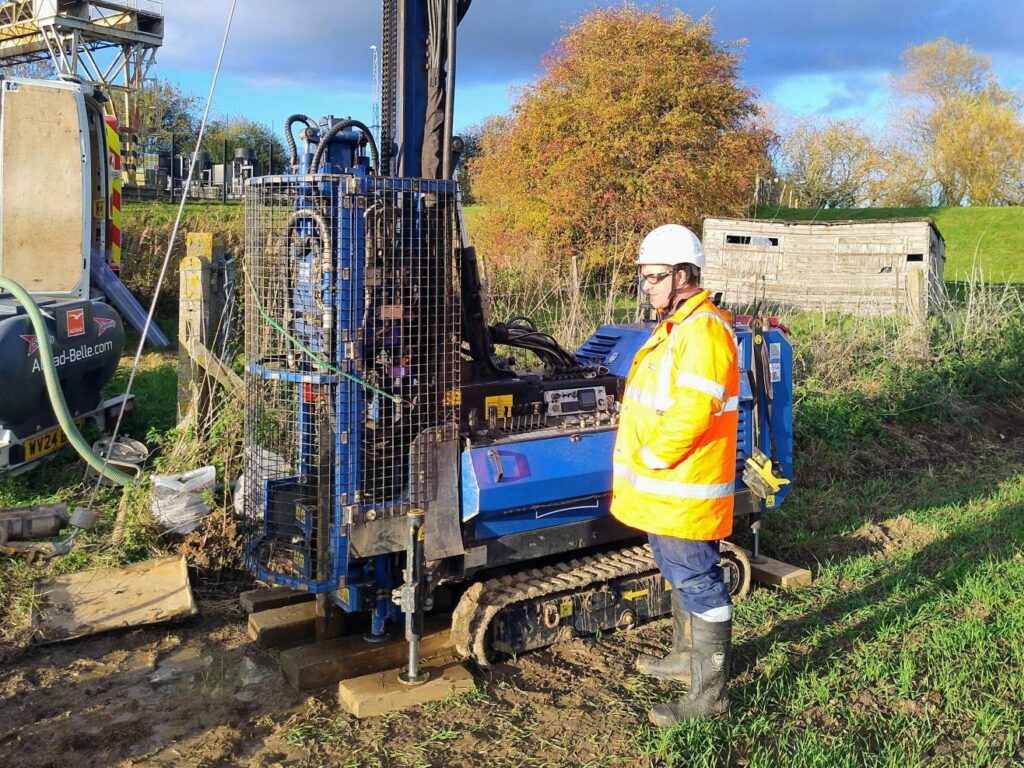
Borehole investigations
These provided information about the geology and soil layers beneath the river. Understanding the type of ground, such as clay, sand or gravel, is vital for selecting the correct drilling method and equipment.
Topographical surveys
These mapped the ground surface above the planned drill route, helping the team to identify any constraints, level changes or access challenges.
Bathymetric surveys
These measured the depth and shape of the riverbed. This information allowed the design team to understand underwater conditions and to plan a drill path that remained safely below the river channel.
Alongside the technical surveys, JSM engaged early with all required stakeholders. These included landowners, clients and third parties. Early engagement helps to secure access, align expectations and ensure that everyone understands the project requirements before any work begins.
Riaz Cadersaib, Head of Pre-Construction at JSM says:
Feasibility studies like this are more than a formality, they’re a strategic investment. They help identify risks, shape technical decisions, and streamline approvals. With thorough groundwork, HDD teams can anticipate challenges, refine their approach, and deliver successful installations even in the most demanding environments.
Why Feasibility Is Important
A feasibility study provides clarity long before a drill rig arrives on site. It helps to:
- Identify geological or environmental risks
- Select the correct drilling technique
- Reduce project delays
- Support regulatory approvals
- Increase the likelihood of a successful and safe installation
By gathering accurate data at an early stage, the drilling team can avoid unexpected issues during construction and maintain a smooth project timeline.
What JSM’s Approach Shows
JSM’s work beneath the River Ouse highlights the importance of combining civil engineering expertise with careful planning. Their structured approach demonstrates how HDD can be used safely and effectively even in demanding environments.
With in-house design, surveys, planning and installation capability, JSM can manage every stage of an HDD project. This ensures compliance, quality, environmental responsibility and a high standard of delivery for clients.
The River Ouse feasibility study is a strong example of how modern trenchless technology can support essential infrastructure delivery while protecting sensitive environments.
With precise surveys, early stakeholder engagement and a clear understanding of ground conditions, HDD provides a safe and efficient method for installing utilities beneath rivers and other challenging obstacles.