

Following our recent article, “Reptiles, Birds and Biodiversity: JSM’s Commitment to Nature During Construction”, JSM is pleased to share a new update on the ecological protections delivered as part of the final phase of works in High Wycombe.
Protecting Reptiles Through Careful Translocation
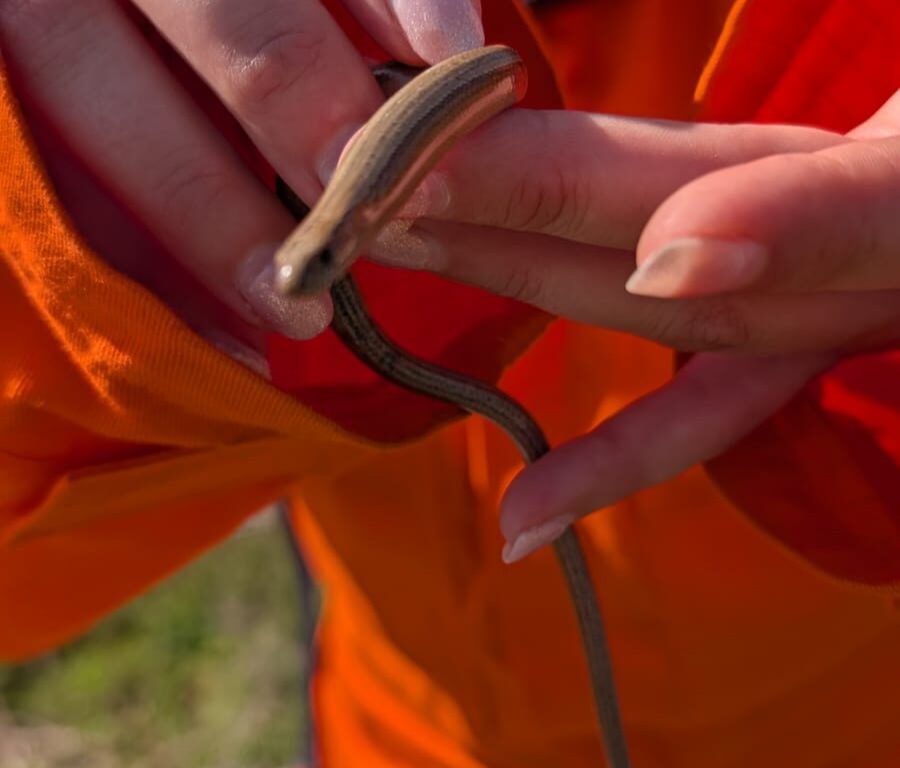
Working closely with our ecological partners, our teams completed further reptile translocations, primarily Slow Worms, to ensure wildlife was safeguarded ahead of construction activity. Between mid August and mid November 2025, more than 230 juvenile, adult, and common lizards were safely moved from active work areas into secure, enhanced habitats. This work demonstrates the ecological importance of the area and reinforces the need for sensitive, well planned construction methods.
Supporting Bird Populations During Nesting Season
Alongside reptile protection, our teams continued to monitor and safeguard bird populations throughout the nesting season, adapting daily site operations and vegetation management to ensure there was no disturbance to active nests. This approach ensured works could progress responsibly while preserving species during the most sensitive period of their breeding cycle.
Strengthening Our Long-Term Environmental Commitments
These efforts form part of JSM’s wider commitment to embedding biodiversity protection into every stage of project planning and delivery. This includes:
- Minimising ecological impact through early planning and ecological supervision
- Creating and enhancing habitat, including new hibernacula
- Maintaining high standards of compliance and biodiversity protection
- Working collaboratively with ecological experts to deliver best practice
Claire Parsons, Environmental Manager at JSM, said:
Our ecological responsibilities don’t end with meeting compliance – our goal is to actively enhance the environments we work in. The reptile translocations and nesting season safeguards in High Wycombe demonstrate how effective collaboration and early planning can protect wildlife while allowing essential infrastructure projects to move forward responsibly.
Continuing to Prioritise Nature
We extend our thanks to our delivery teams and ecological partners for their continued professionalism and care as we work to deliver essential infrastructure while protecting the natural world.
Discover more of our environmental case studies